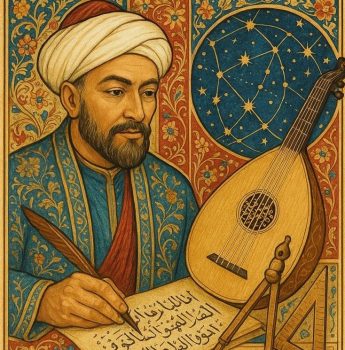
Music occupies a profound place in Kabbalistic thought, acting as both a metaphor and a practical tool for inner transformation. Kabbalah, with its intricate model of the cosmos and the soul, interprets music as a bridge between the finite and the infinite, channeling spiritual realities into the material world.
In Kabbalah, creation itself is often described in musical terms. The Sefer Yetzirah, one of the foundational texts, presents the letters of the Hebrew alphabet as primordial vibrations or “tones” through which the Divine brings forth the universe. In this framework, every aspect of existence resonates with a unique frequency, and music—when crafted with awareness—can align the soul with higher worlds.
The teachings of the Ari (Rabbi Isaac Luria, 16th century) and later Hasidic masters extend these ideas. They hold that music possesses the ability to refine and elevate the soul. Nigunim (wordless melodies), especially prized in Hasidic practice, are understood to bypass the intellectual mind and directly affect the heart and spirit. The Baal Shem Tov taught that a pure, intention-filled melody can pierce through spiritual barriers (klipot) and awaken deeper states of consciousness and devotion.
Music in Kabbalah is associated with the Sefirot, the ten emanations or channels through which the Divine light flows into creation. Each Sefirah can be imagined as a distinct “note” or “quality” within the cosmic symphony. Harmonizing these notes within oneself becomes a metaphor for spiritual integration and alignment with the Divine Will.
Kabbalistic music is not merely aesthetic but functional, acting as a technology of the soul. It can repair, elevate, and unify disparate aspects of self and world, returning fragmented sparks of holiness to their source. Kabbalah views music as a dynamic interface between spirit and matter, a living expression of creation’s underlying harmony, and a potent vehicle for spiritual ascent and healing.
Stay Attuned

 Music of the Spheres