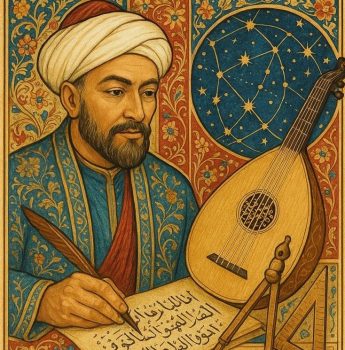
The therapeutic use of music stretches back thousands of years, with records from Ancient Egypt, Greece, China, and indigenous cultures worldwide that reference the use of music and rhythmic sound in rituals, healing practices, and spiritual ceremonies. In these early contexts, music was not considered entertainment alone, but a conduit for accessing altered states, harmonizing the body and mind, and facilitating connection with the divine.
Ancient Greek philosophers such as Pythagoras and Plato wrote about the power of music to influence mood, moral character, and even physical wellbeing. Pythagoras, for example, explored the concept of “musical medicine” through the mathematical relationship of harmonics, believing that certain modes and rhythms could recalibrate the soul. Throughout the Middle Ages and Renaissance, music continued to be used in Christian liturgy and monastic settings for purposes of spiritual purification and psychological care.
Modern music therapy as a formal discipline emerged in the twentieth century, particularly in the aftermath of World Wars I and II. Musicians played for veterans suffering from what was then known as “shell shock” (now recognized as PTSD), and hospital staff observed significant psychological and physical improvements among patients. These observations inspired the development of structured training programs and research into the clinical applications of music. The first academic program in music therapy was founded in the United States at Michigan State University in 1944, and professional associations such as the American Music Therapy Association (AMTA) were established to set standards for practice and research.
Today, music therapy is a recognized health profession practiced globally, grounded in a combination of psychological theory, neuroscience, and ancient traditions. Practitioners use a range of techniques, including improvisation, songwriting, receptive listening, and movement, to address emotional, cognitive, physical, and spiritual needs. At its core, music therapy continues to draw upon the recognition that sound can shift consciousness, facilitate healing, and foster a more integrated sense of self, principles that have remained consistent despite the evolution of methods and frameworks.
Sound healing practitioners attest that vibrations interact with the body and psyche on fundamental levels, offering unique pathways to emotional release and psychological healing. Everything in the body responds to vibrational input. When sound enters the body, it is not only heard through the ears but also felt through tissue, bone, and water, which comprise most of our physical form. This somatic engagement is one reason why certain frequencies, tones, or rhythms can evoke deep shifts in emotional states and bodily sensations.
Sound also operates as a form of entrainment. When exposed to a consistent external rhythm or frequency, the brain and body tend to synchronize with it. This can help stabilize chaotic emotional states, bringing coherence to mental patterns or heart rhythms that may be dysregulated by trauma or chronic stress. For example, binaural beats or certain drumming patterns can induce brainwave states associated with calm, creativity, or even trance, providing access to altered states where insight and integration become possible.
Emotionally, sound bypasses verbal filtering and cognitive defenses, connecting directly with the limbic system, the brain’s emotional center. This means that sound can access traumatic memory or feeling where words fail. Therapies that use the voice, such as toning, humming, or chanting, empower individuals to resonate internally, often releasing tension and unfreezing emotional content stored in the body.
The communal experience of sound, whether in ritual, group chant, or shared music, invites a sense of safety and mirroring. Being witnessed in one’s emotional process within a supportive sound environment can accelerate healing, dissolving isolation and promoting a sense of belonging.
For some, the act of creating or improvising music becomes a form of spiritual surrender. This process can quiet the ego, engaging what some traditions call the “Witness” or deeper Self. In communities, shared musical experiences often generate a sense of interconnectedness, dissolving boundaries and nurturing compassion. The mystical teachings of Sufism, for example, hold music as a path toward divine union, using rhythm and melody to transcend separateness and awaken the heart.
Ultimately, music’s potential for inner healing and spiritual growth is not confined to one tradition or method. Its resonance with the body, psyche, and even collective consciousness offers a versatile and deeply personal pathway.
Stay Attuned

 Music of the Spheres