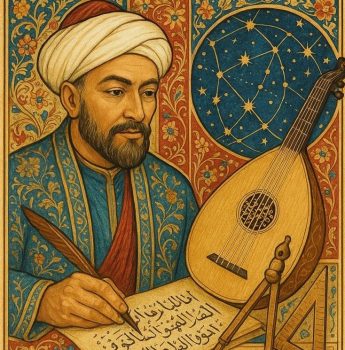
In early Mesopotamia, musical instruments were not simply tools for entertainment or artistic expression, they were imbued with profound spiritual significance and viewed as bridges between the human and the divine. The Sumerians, Akkadians, and later Babylonians regarded music as a sacred language that could communicate with gods, spirits, and celestial forces. Instruments such as the lyre, harp, drum, and flute were crafted with ritualistic care, often dedicated to particular deities or temple cults.
The lyre, perhaps the most emblematic of Mesopotamian instruments, was closely associated with the goddess Inanna (Ishtar), symbolizing heavenly harmony and divine presence. Mythological texts and archaeological evidence indicate that instruments were present in temple rituals, royal ceremonies, and funerary rites, where their sounds were believed to invoke divine favor, mediate prayers, and maintain the cosmic order. Musicians themselves held a priestly status, mediating the energies of the unseen through their performances.
The construction of these instruments often followed sacred proportions, and their materials; such as wood, gold, silver, and lapis lazuli, were chosen for symbolic resonance as well as acoustic quality. Inscriptions and iconography depict gods playing instruments or bestowing them upon humans, suggesting a cosmology in which music was both a divine gift and a vehicle for spiritual ascent. Thus, in early Mesopotamian consciousness, musical instruments embodied the divine, serving as conduits for the sacred and vehicles for the transformation of both individual and collective experience.
Music in ancient Egypt occupied a deeply spiritual and social role, woven intricately into religious, ceremonial, and everyday life. Egyptians viewed music as a divine creation, attributing its origins to their gods. The goddess Hathor, for instance, was revered as the patron of music, dance, and joy, symbolizing the nourishing and harmonizing power of sound. Bes, another deity, was associated with rhythm and protection, especially in domestic and birth rituals. Instruments themselves; such as the sistrum, harp, and lute, were imbued with sacred meaning, sometimes believed to channel protective and purifying energies.
Religious rituals heavily depended on music, which was believed to facilitate communication with the gods and the deceased. Temples employed specialized musicians and chantresses, often women, who performed hymns and chants to invite divine presence or appease powerful spirits. The act of music-making was seen as a way to uphold ma’at, or cosmic order, reinforcing the stability of both the natural world and human society. In funerary practices, music and song aided the soul’s transition to the afterlife, soothing fears and invoking blessings.
Beyond ritual, music permeated festivals, royal courts, and agricultural work, carrying the dual symbolism of joy and transcendence. Its rhythms and melodies were thought to balance emotions, heal disturbances, and foster communal harmony. Through these practices, ancient Egyptians demonstrated a belief that music could influence both visible and invisible realms, serving as a tool for transformation and a testament to the interconnectedness of all existence.
Stay Attuned
 Music of the Spheres